Getting Started
Everything you need to begin your astronomy journey, from choosing your first telescope to finding your way around the night sky.
-
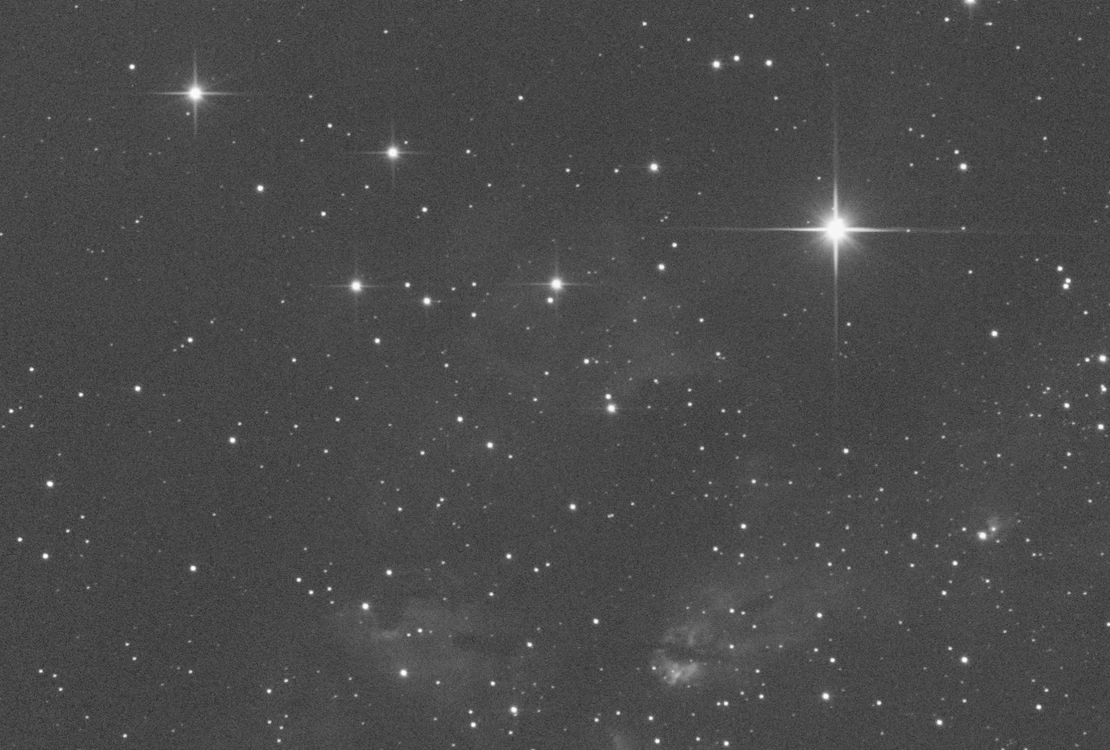
Mastering PixInsight Stacking Settings for Faint Nebula and Beyond
Stacking is where your hours of exposure finally come together, it’s the moment faint photons become a visible nebula. But the integration settings you choose can make or break that delicate signal. Let’s walk through the key options in PixInsight’s WeightedBatchPreprocessing (WBPP) and how to optimize them for different targets. Understanding the Core Settings Calibration…
-
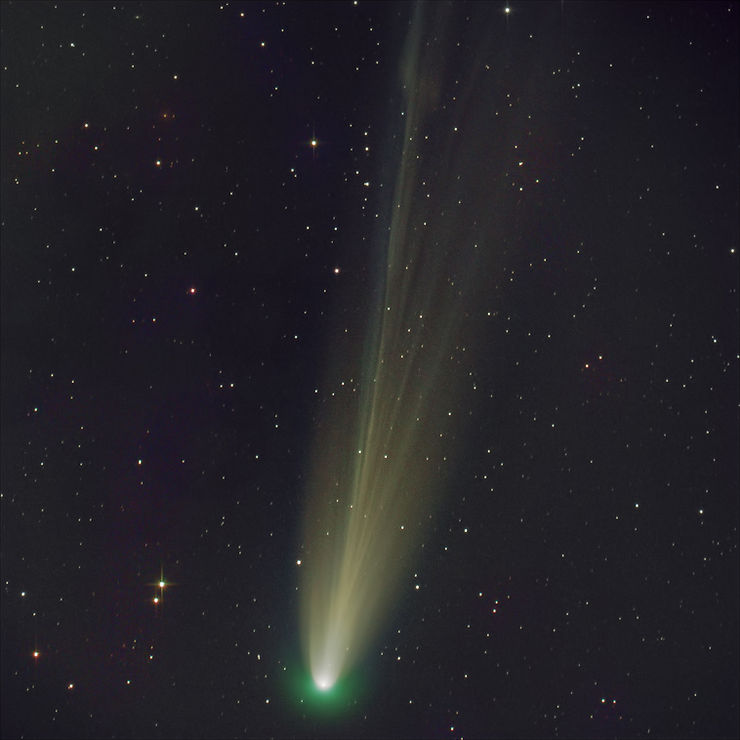
Imaging Comets: Astrophotography Tips for Stunning Shots
Comets are among the most exciting celestial objects to photograph. Their glowing comas and long, flowing tails make them fantastic subjects for astrophotographers. But capturing that perfect shot requires the right equipment, planning, and technique. In this guide, we’ll cover everything you need to know to photograph a comet, including the best cameras and telescopes,…
-
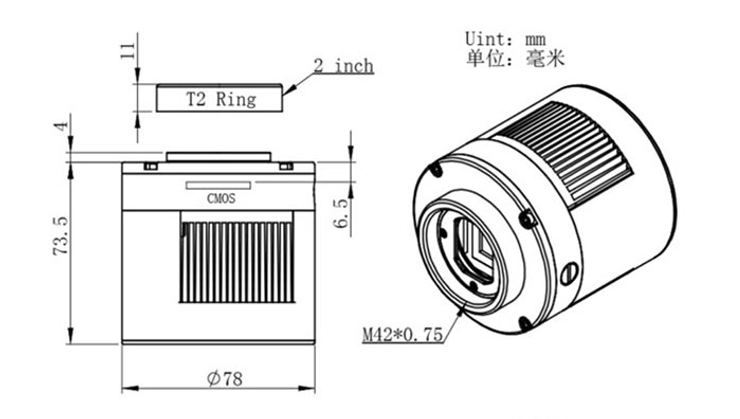
An introduction to back focus for beginners to astrophotography
Back focus, it’s a term you’ve probably heard of, but what is it, why does it matter, and how do you set it correctly for your equipment? Back focus is the distance between the last optical element and the focal plane. It’s vital for achieving sharp and clear images, especially when using accessories such as…
-
Astrophotography Terms You Need to Know to Sound Like a Pro
If you are new to astrophotography, you might come across some unfamiliar terms and concepts that can be confusing. When I first got into this hobby, I found myself constantly searching on Google. Unfortunately, this only added to my frustration because there were so many search results to sift through, most of which were written…
-
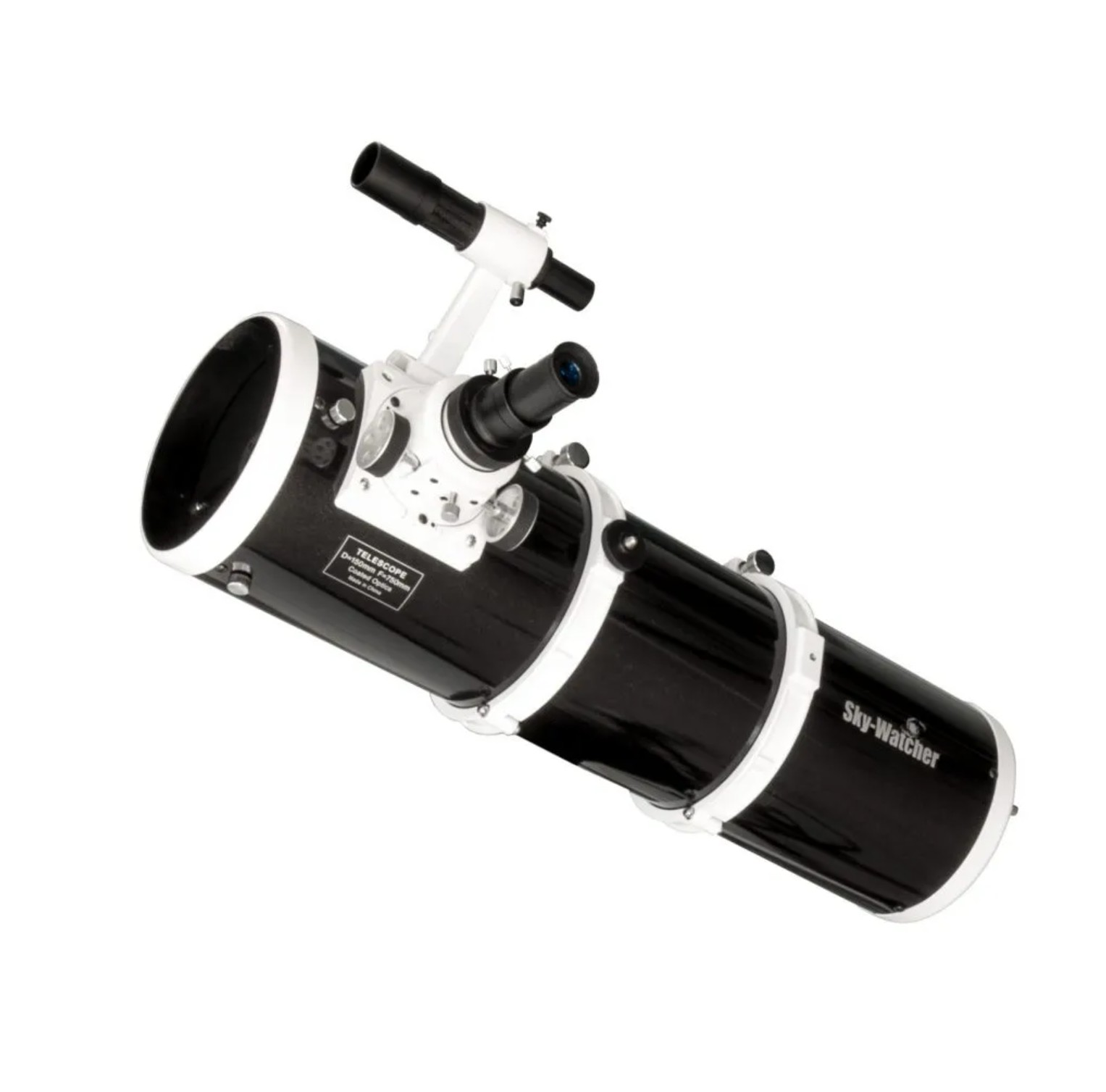
How to Choose the Right Telescope for Your Goals
This guide will help you navigate the many telescope options on the market. I’ll explain how they work, their best uses, and the features and accessories that will take your starry adventures to the next level. If you’ve ever gazed up at the night sky and thought, “I need to see that up close!”—welcome, fellow…
-
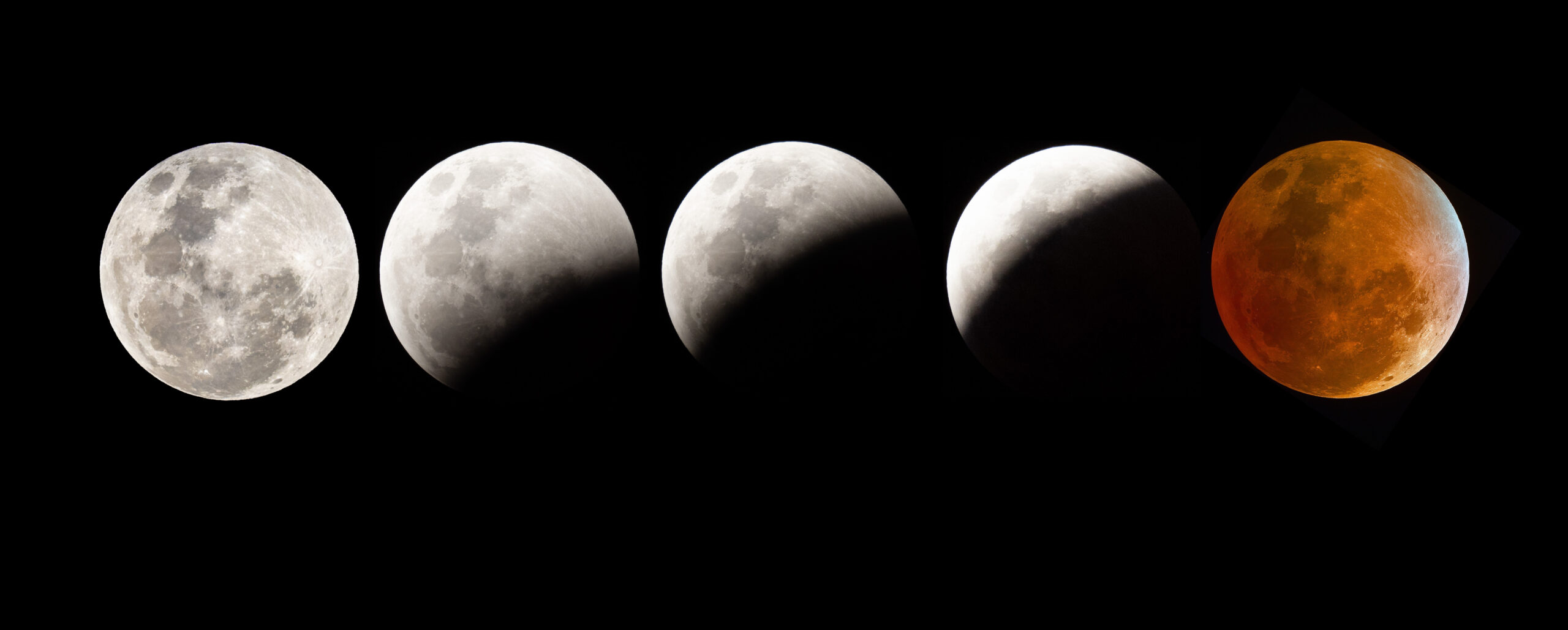
A Beginner’s Guide to Lunar Eclipses & How to Photograph Them
Dive into the art of photographing a lunar eclipse.
-
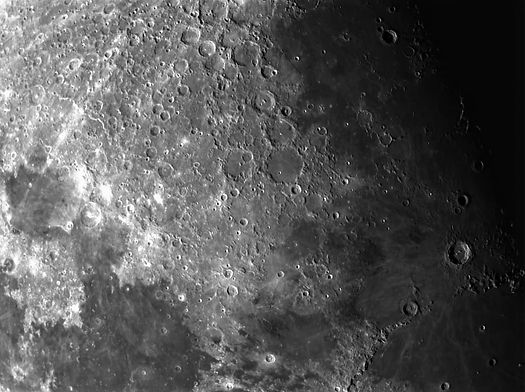
Deep-Sky Astrophotography During a Full Moon
How to Get Your Fix of Faint Fuzzies When the Moon’s Stealing the Show. Let’s not sugar-coat it, capturing deep-sky objects during a full Moon is challenging. It’s like trying to spot a candle in front of a stadium floodlight. It’s SO bright! Most of us usually wave the white flag, grab a beer, and…
-
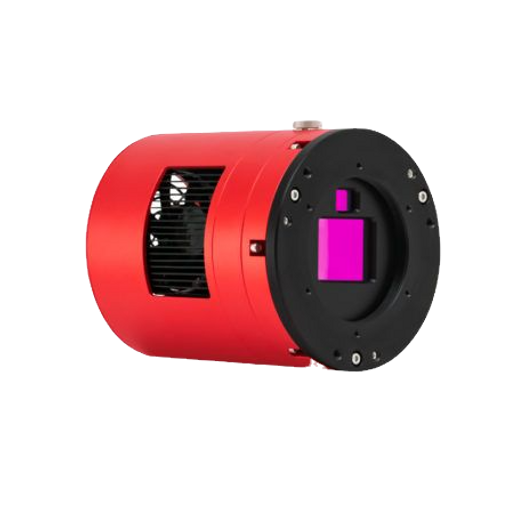
How to Choose the Right Astronomy Camera for Your Goals
Astrophotography involves a lot more than just pointing a camera at the sky—it’s a craft that requires patience, technique, and a fair bit of trial and error. The right gear won’t replace skill, but it can make the process far less frustrating, smoothing out the steep learning curve associated with astrophotography and astronomy and helping…
-
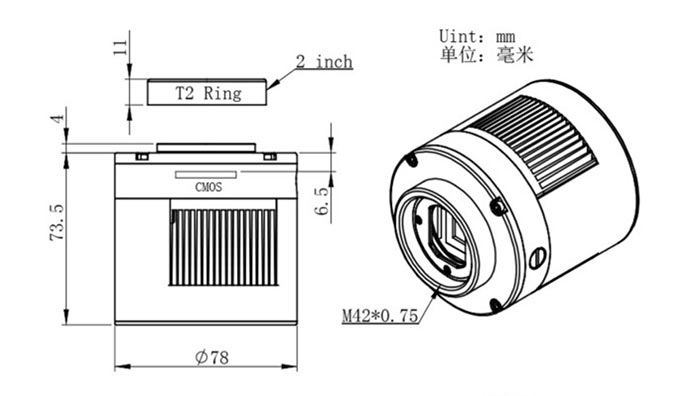
An Introduction to Back Focus for Beginners to Astrophotography
Confused by backfocus? This guide explains what backfocus is, why correct spacing matters, and how to achieve pinpoint stars in your astrophotography setup.
-
How to Polar Align a Tracking Mount in the Southern Hemisphere
Polar alignment is a process of aligning the axis of an equatorial mount with the south celestial pole (SCP), which is the point in the sky that all the stars appear to rotate around. Polar alignment is essential for astrophotography, as it allows the mount to track the motion of the stars and keep them…